
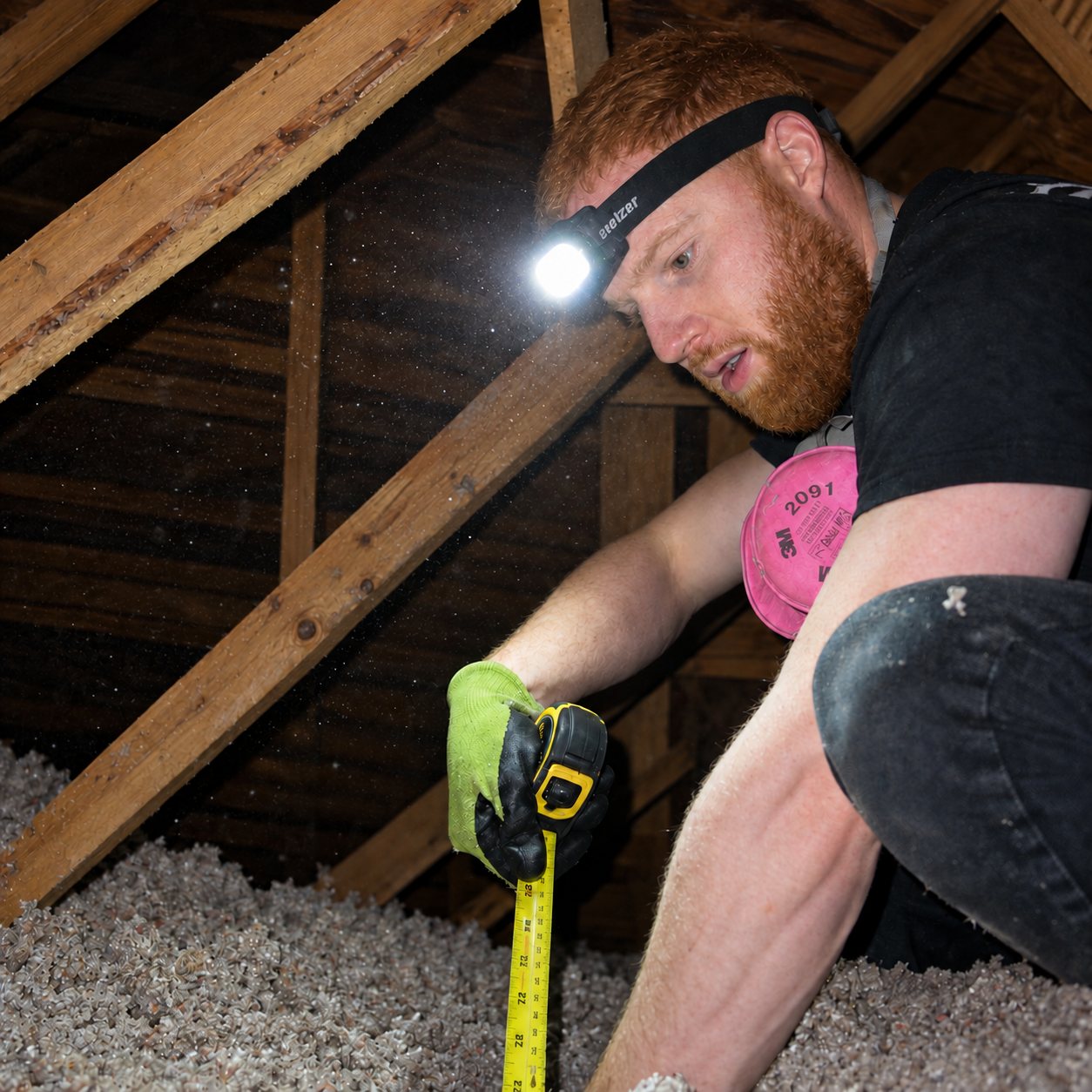
Attic insulation
We start by looking at your attic
Isolation Dumont assesses Québec homeowners’ attics for free: insulation depth and condition, soffits, ventilation, moisture and air leaks. We explain what we observe and your options, with no pressure.
When work requiring a licence is recommended, the quote, contract and invoicing are handled by the licensed contractor responsible for the project, who also carries out the work.
30 to 60 minutestypical assessment length
When to worry
Signs worth an assessment
Heating working harder, bills going up
Heat escapes through the ceiling. Signs of a poorly insulated attic
Cold upstairs in winter
Thin ceiling insulation, air leaks, knee walls. Why upstairs gets cold
Too hot upstairs in summer
Attic heat comes through the ceiling. Understanding upstairs heat
Condensation, frost and moisture
Moist air rises and condenses in the attic. Frost in the attic
Ice dams last winter
The roof warms up, snow melts, then refreezes. What causes ice dams
Animals in the attic
Deal with the animals first; then assess the insulation. What to do, in order
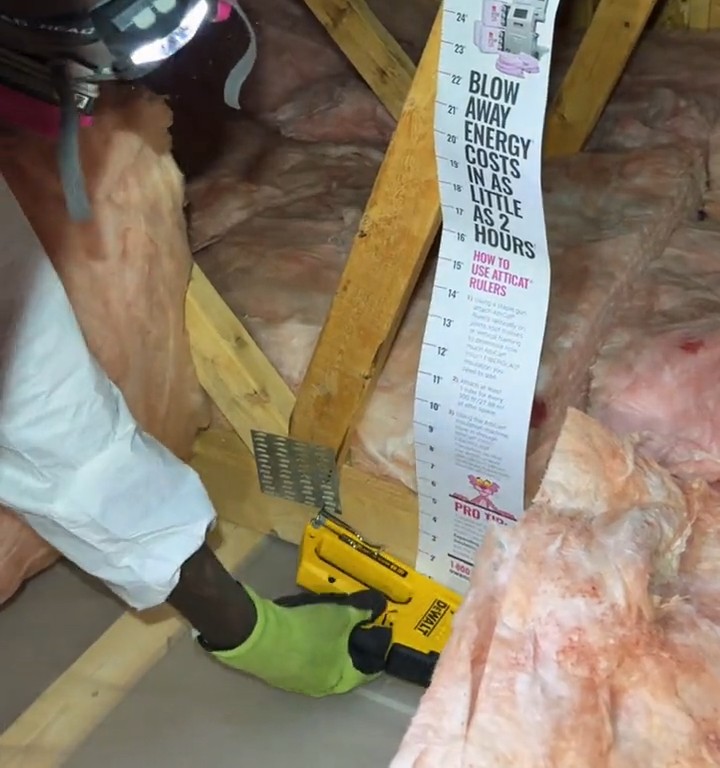
During the assessment
What we check
- Insulation depth in several places and its approximate R-value
- Insulation type and condition: dry, compressed, soiled, wet
- Soffits: clear or blocked by insulation
- Whether baffles are present near the roof, and their condition
- Signs of moisture, frost or mould
- Visible air leaks: attic hatch, light fixtures, ducts
- Bathroom fans exhausting into the attic
The team member then walks you through what they observed and answers your questions. Is your attic insulated enough?
After the assessment
Improvements a contractor may recommend
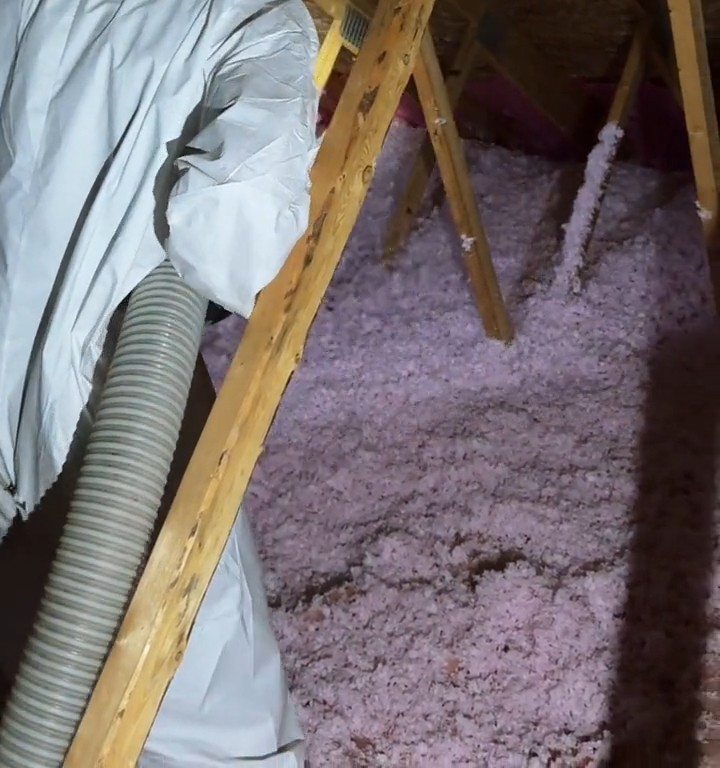
- Adding blown-in insulationTo reach the target R-value: the LogisVert minimum is R-50; our recommendations often aim for R-60 when the attic allows it.
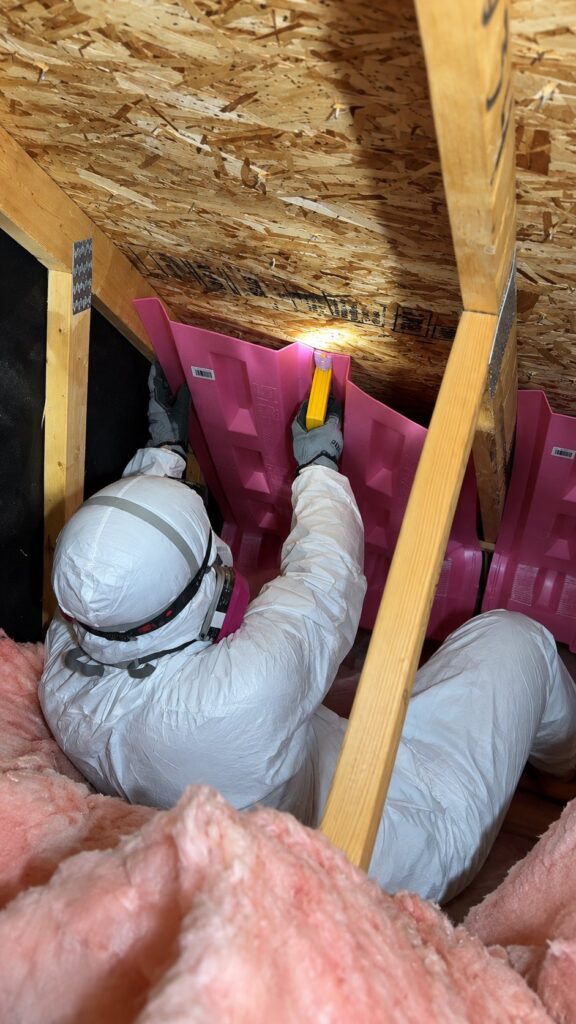
- Soffits and bafflesClearing the soffits and installing baffles (Styrovent) to keep ventilation working.
- Air sealingEspecially around the attic hatch, light fixtures and ducts.
- Removing problem insulationSoiled or wet insulation or sawdust before re-insulating; for vermiculite, a lab test and, if needed, removal by a specialized company.
R-60targeted when the attic allows it
Pricing
What affects the quote
The attic insulation estimate — the quote — is prepared by the licensed contractor after the assessment. The price depends mainly on:
- the attic area and the starting R-value
- the depth to add to reach the target value
- any old insulation to remove
- access: hatch, attic height, obstacles
- the number of baffles and the extent of air sealing
What a quote should include · Attic insulation cost · Verify an RBQ licence (in French)
| Step | Who handles it |
|---|---|
| Request and call-back | Isolation Dumont |
| Attic assessment | Isolation Dumont |
| Quote, contract and invoicing | The licensed contractor responsible for the project |
| Work | The licensed contractor responsible for the project |
| Follow-up | Isolation Dumont |
How much does attic insulation cost?
The price depends mainly on the area, the existing insulation, the depth to add, access and related work. An on-site assessment then lets the contractor set an accurate price.
Can an attic be insulated in winter?
Yes. Blown insulation can be installed all year, and the attic is reached from inside. Learn more
Does the old insulation have to come out?
Not always. Dry, clean insulation can stay; soiled or wet insulation, sawdust or vermiculite call for a different approach. Adding insulation over the old
Is the work eligible for a subsidy?
Possibly, depending on your house and the program requirements. Compare LogisVert and Rénoclimat